



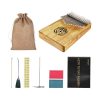
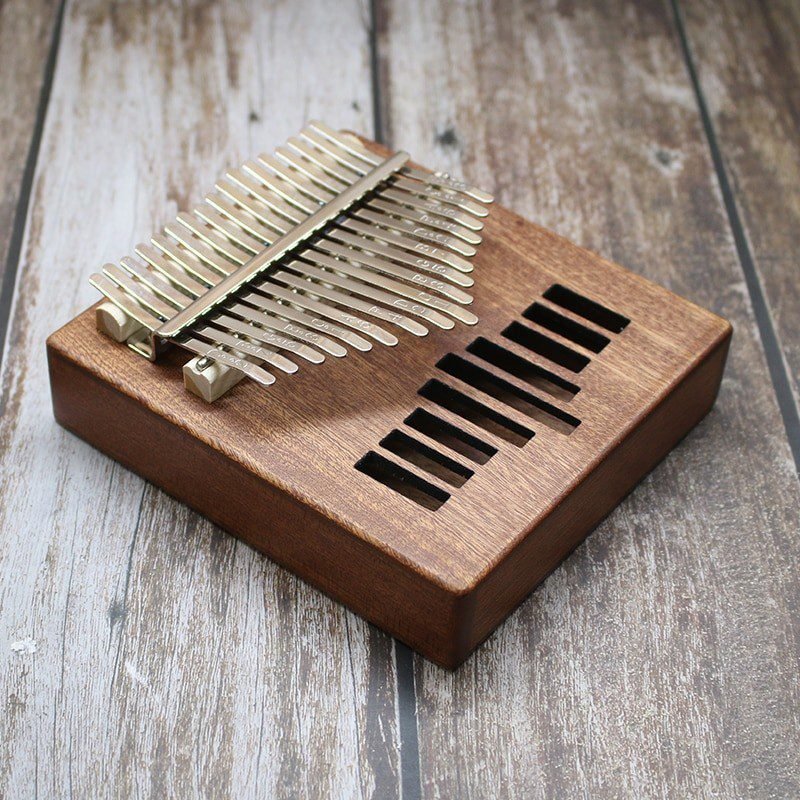


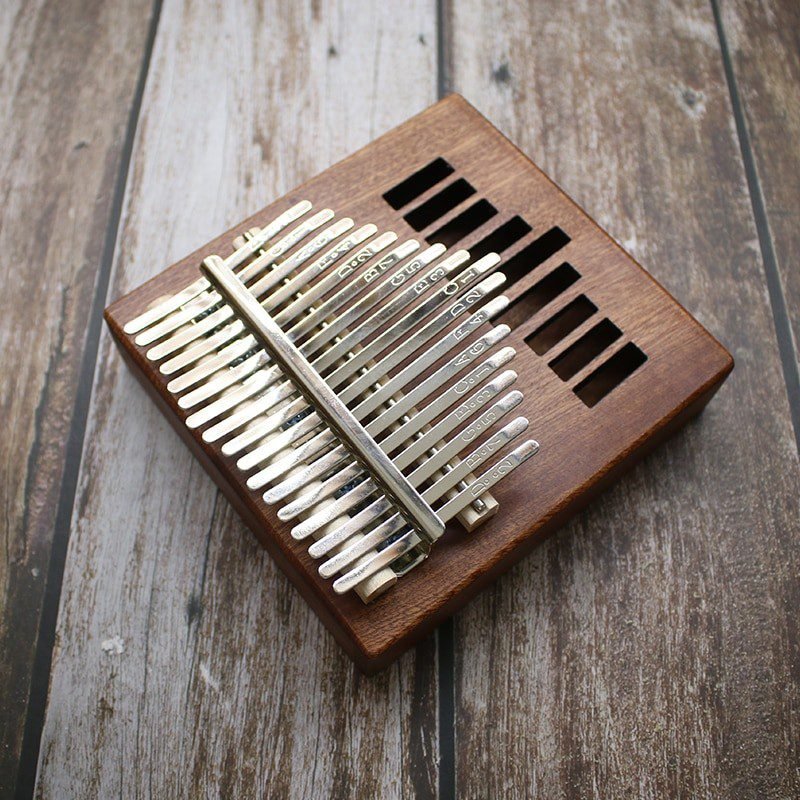
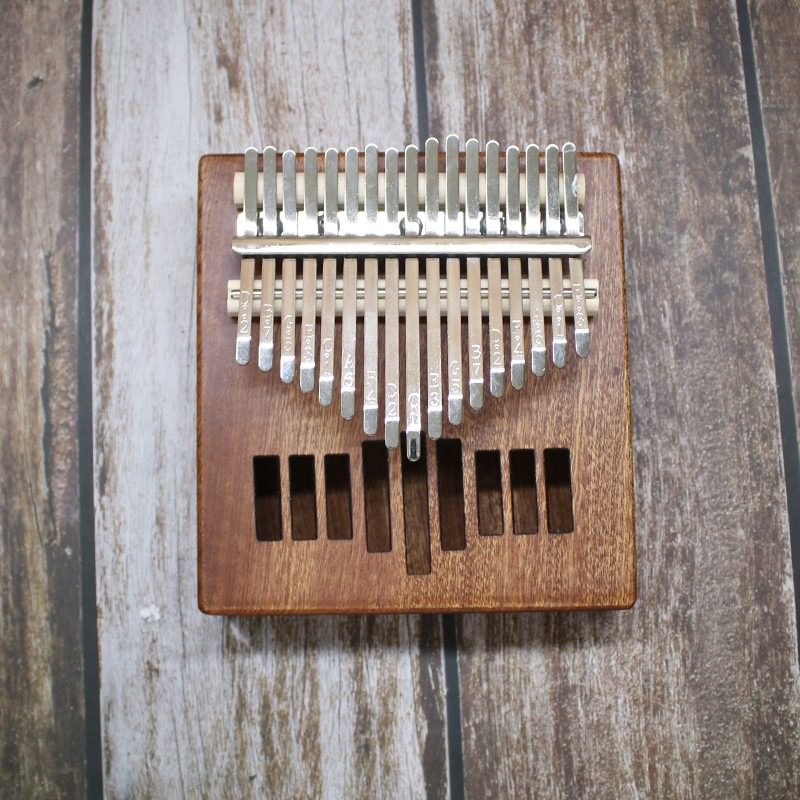



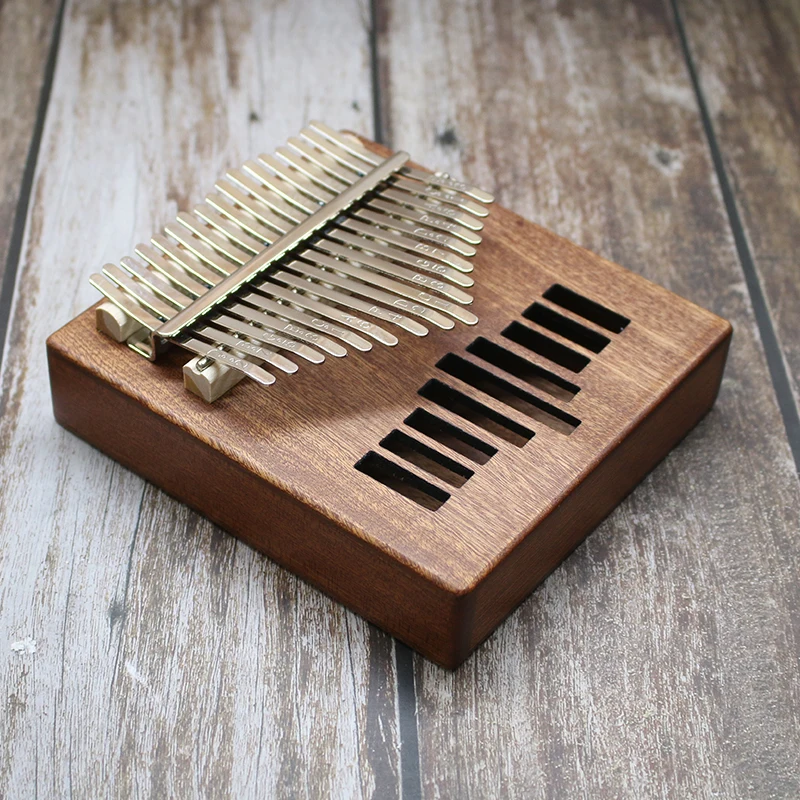
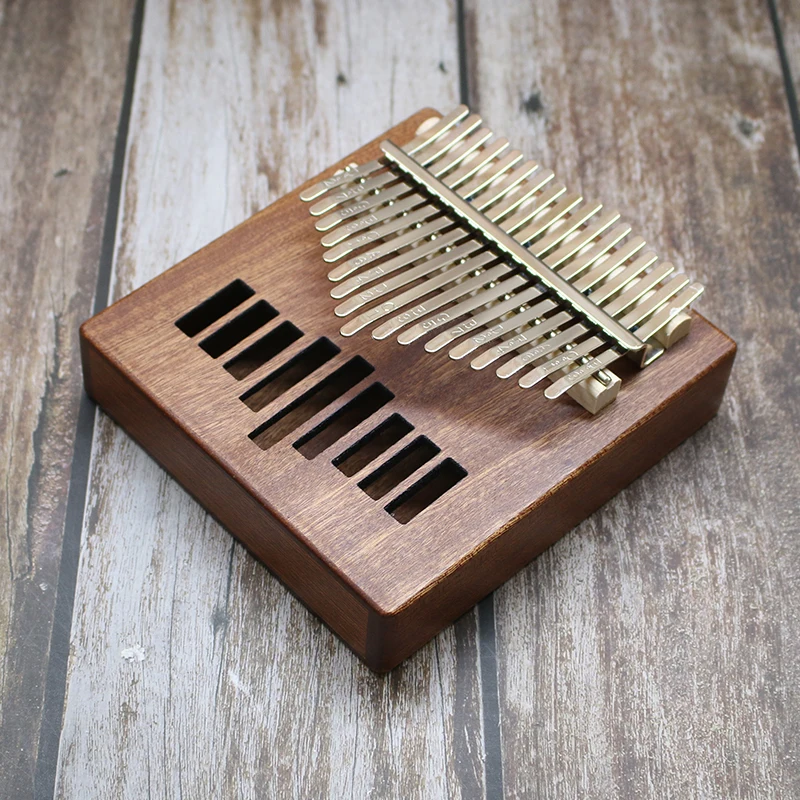
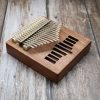
High-quality 17-note African kalimba: you won't be disappointed with this model of African kalimba which, with its original design, diffuses sound in an optimal way and offers a unique sonority specific to this unusual African kalimba. Also known as the thumb piano, sanza or Mbira, this instrument from Africa is perfect for those who want to learn about music or simply discover it!
The African Kalimba 17 Notes
Vous voulez un son africain ? La disposition, l’accord font de ce kalimba africain une version moderne d’un instrument séculaire. Jouez-en si vous voulez vous connecter au génie de l’Afrique ancienne.
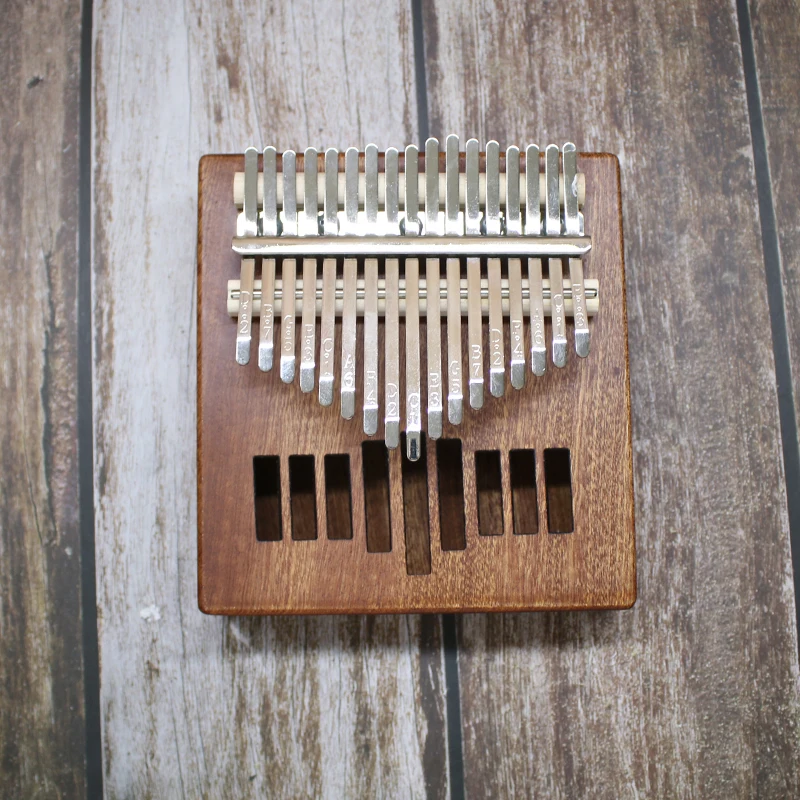
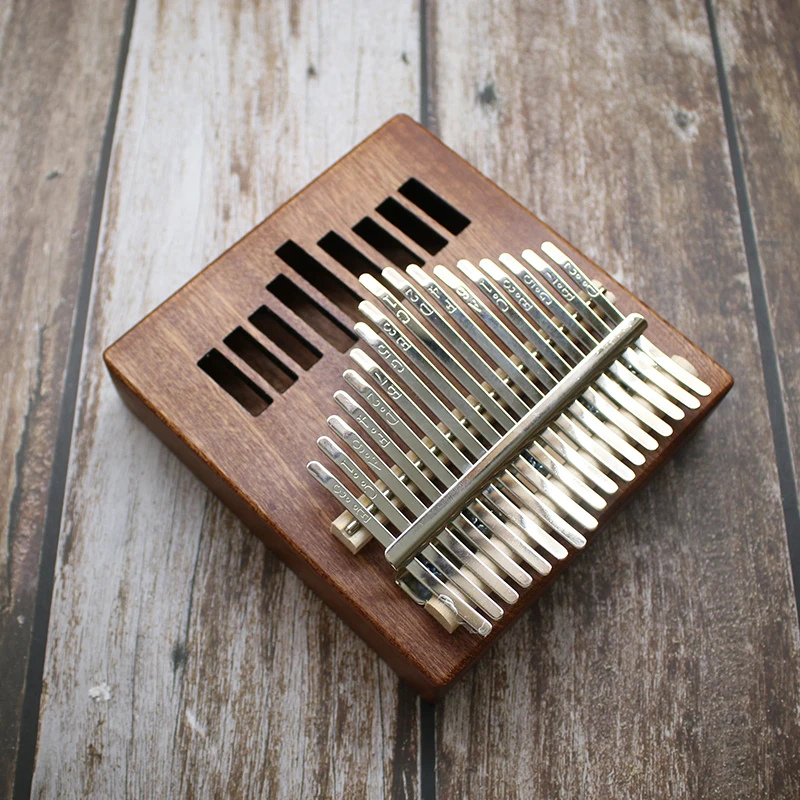
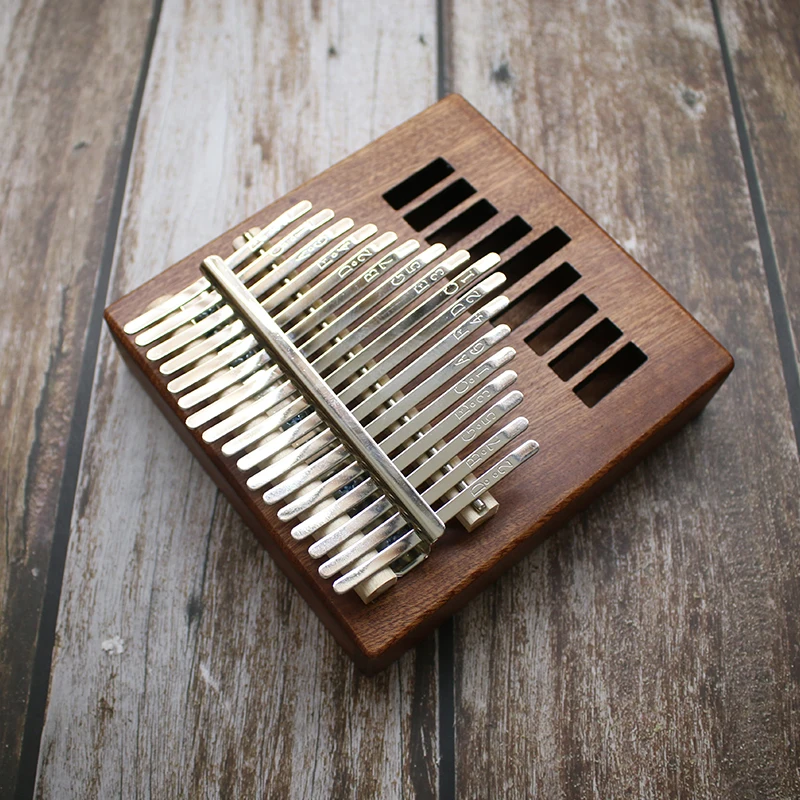
This African kalimba is similar to the Zimbabwean mbira. It has 17 teeth arranged in two rows, but at first glance, this organization is not logical. However, once you start learning to play this instrument, you'll discover its inherent logic, which lends itself particularly well to a traditional African sound.
By the way, Andrew Tracey claims that this instrument is closely related to the original 1,300-year-old metal-tipped kalimba.
The karimba's two rows of teeth are arranged according to a centuries-old traditional African system that makes it easy to bring out beautiful African melodies. It is closely related to the mbira.
Profitez d’un petit marteau d’accord
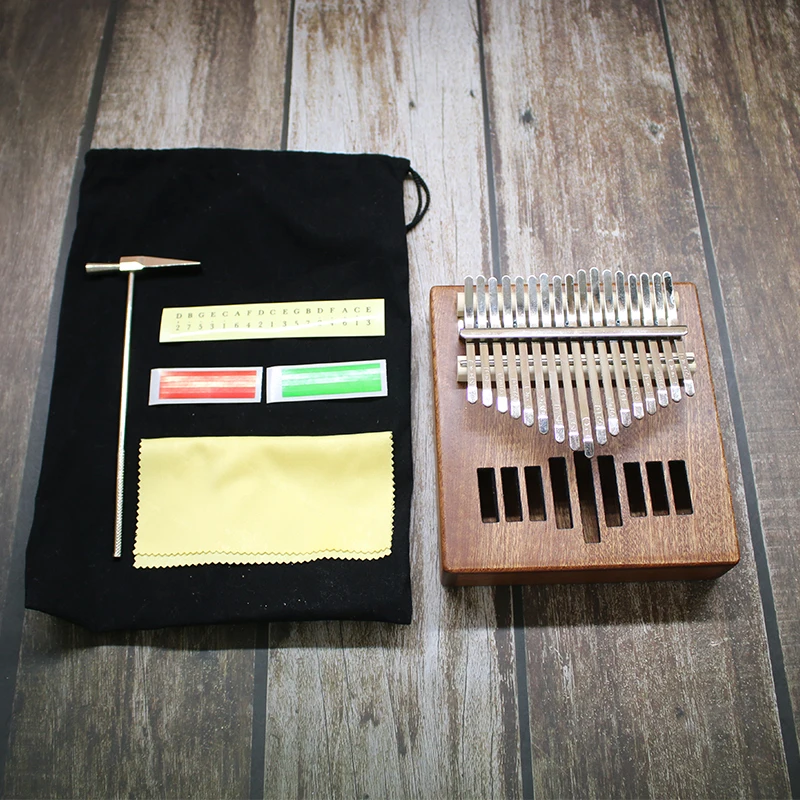
Il vous permettra d’obtenir un accordage plus précis et élimine les douleurs de la main lors de l’accordage « à la main » de votre kalimba africain.
L’accordage de votre kalimba est un exercice mixte. Contrairement à la guitare, vous n’avez pas besoin d’accorder votre kalimba chaque fois que vous le prenez. En fait, la plupart des kalimba gardent leur accord pendant des semaines ou des mois.
D’un autre côté, une fois que votre kalimba africain a besoin d’être accordé, vous ne savez peut-être pas quoi faire. Une technique existe ; il s’agit de déplacer les dents à la main de votre Kalimba africain.
Il s’avère que vous pouvez utiliser ce petit marteau pour taper sur les dents de votre kalimba africain afin de l’accorder, et cette approche présente un certain nombre d’avantages.
The typical method for tuning African kalimba teeth is to grasp a tooth with thumb and forefinger, and while moving it from left to right, pull or push the tooth to lengthen the vibratory length (to play a lower note) or shorten it (to play a higher note).
This technique works very well... mainly when you repeat the gesture several times and have strong hands and sensitive fingers...
Bien que la technique d’accordage « à la main » soit à la fois économique et efficace, elle peut vous causer des douleurs si vous n’avez pas de callosités… et si vous utilisez la technique « à la main » et que vous n’êtes pas expérimenté, vous n’aurez probablement pas tout à fait « le toucher » et ne serez pas en mesure d’accorder votre kalimba aussi précisément que vous le souhaiteriez.
Cependant, il y a une autre façon de s’accorder : En frappant doucement les dents avec un petit marteau.
En acquérant de l’expérience dans l’accordage avec le marteau, vous développerez probablement une « force de frappe standard ».
Note that this hammer is too small to adjust the tuning of the more massive teeth. However, they work perfectly on the 17-note African kalimba, Sansula, Hugh Tracey and all recent kalimbas.
Accessories
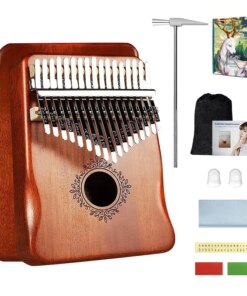
This African kalimba comes with a waterproof Kalimba case for easy, secure transport and storage. In addition, the 17 Notes African Kalimba comes with red and green stickers. The kit includes a clean cloth for cleaning your African kalimba and keeping it in good condition.
Kalimba facts
Certains types de kalimba ont des trous à l’arrière qui permettent d’effectuer un vibrato.
Similarly, the front hole is the cause of certain sound effects. Some modern kalimbas include this effect without the hole.
The keys are attached to a bridge and their length depends on their vibration, giving different notes. For this reason, the kalimba can be tuned by adjusting them, lengthening or reducing their size.
How do you play the Kalimba?
The usual method is to hold it with both hands, thumbs protruding upwards, ready to squeeze the blades.
The musical notes are placed differently than on instruments such as the piano. In the Kalimba, they start in the middle (the lowest notes) and move towards the ends (the highest musical notes).
In addition, the musical scale alternates for each key, which is also typical of other African instruments such as the kora and valiha.
A special instrument
The African thumb piano, or kalimba, is an unusual percussion instrument consisting of a number of thin metal bars mounted on a resonance box or soundboard. The keys are mounted with different free lengths to produce different notes, and are usually struck at the end by the performers' thumbs while the soundboard is held by the fingers.
Apprenez à jouer « Hey Jude » des Beatles au kalimba grâce à notre tutorial !

Only logged in customers who have purchased this product may leave a review.
Related products


Kalimba instrument


Kalimba instrument

Kalimba 17 Notes


Kalimba instrument
Kalimba instrument

Accessories / Bags


Kalimba instrument


Kalimba instrument
Reviews
There are no reviews yet.