





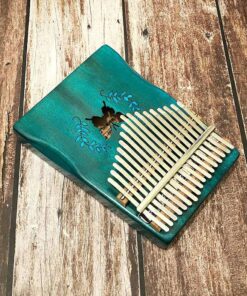
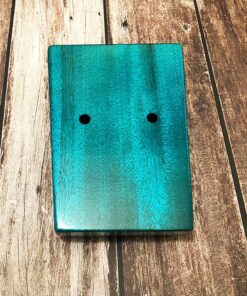
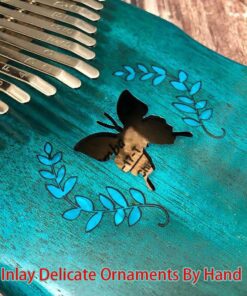
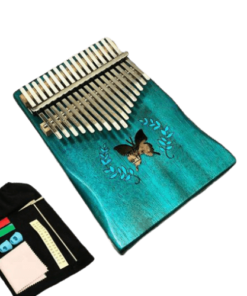
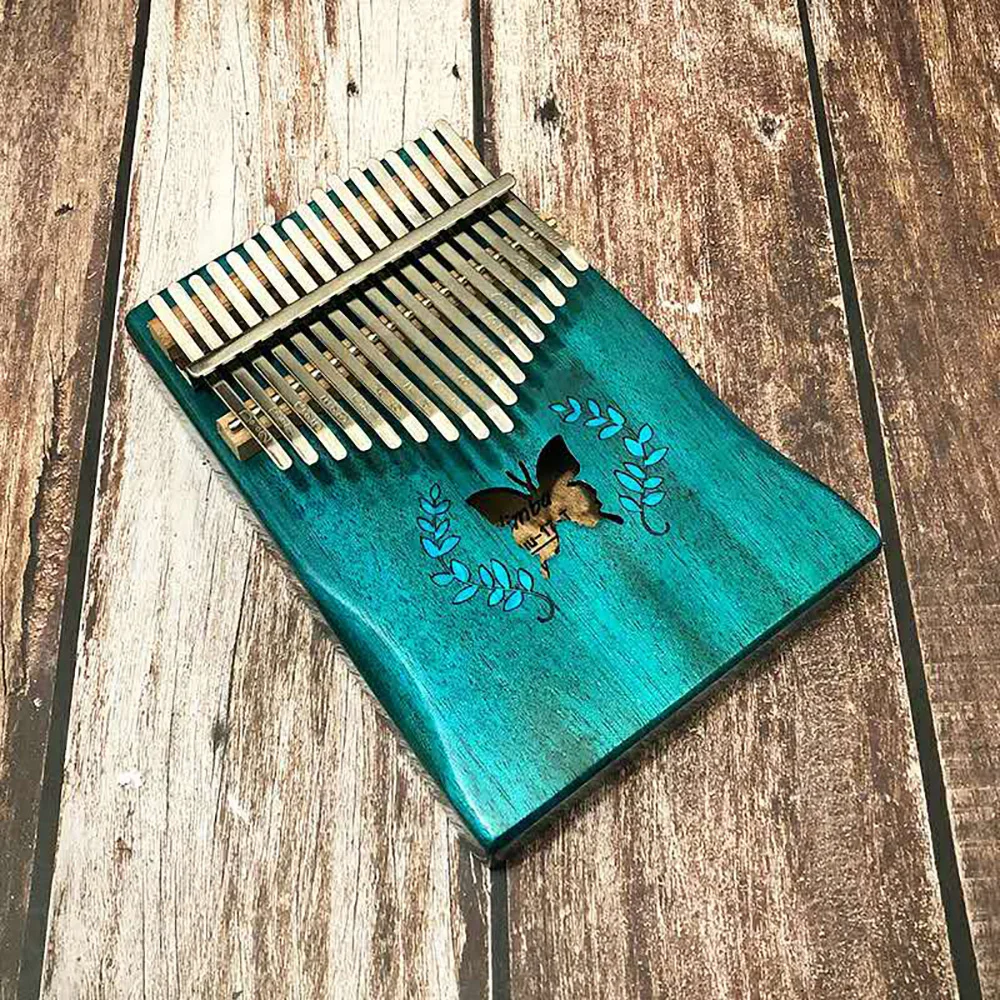
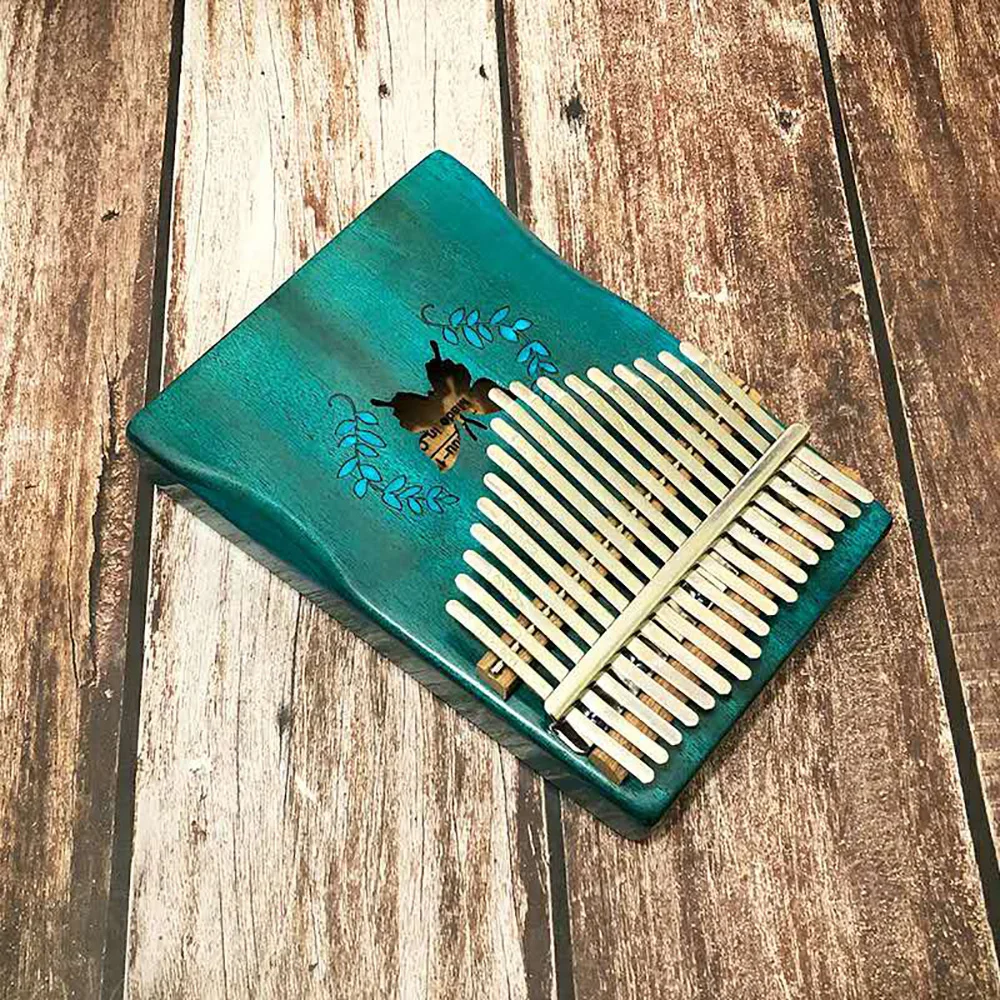
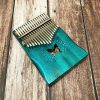
[Complete Kit] Hand-inlaid 17-note mahogany Kalimba
52,89 €
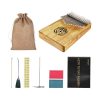
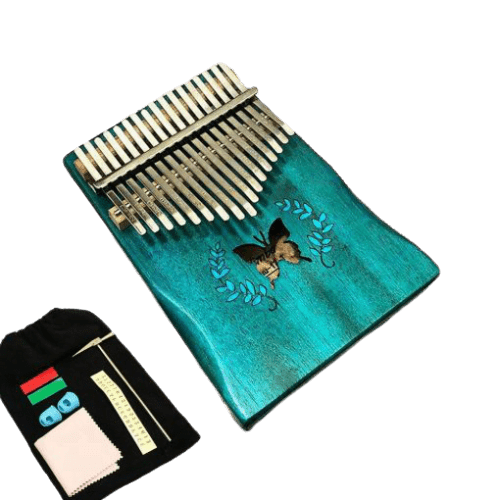
In the Kit you will receive :
1 Kalimba 17 inlaid keys
1 Thumb piano case
1 Stickers
1 User manual (English)
1 Tuning hammer
1 Cleaning cloth
Out of stock
🚚 Livraison gratuite en Europe
📦 Livraison garantie ou remboursé
💬 Service client 7j/7 par chat
You will receive :
✿
1 Mahogany Kalimba 17 keys
1 Thumb piano case
1 sticker
1 User manual (English)
1 Tuning hammer
1 Cleaning cloth
✿
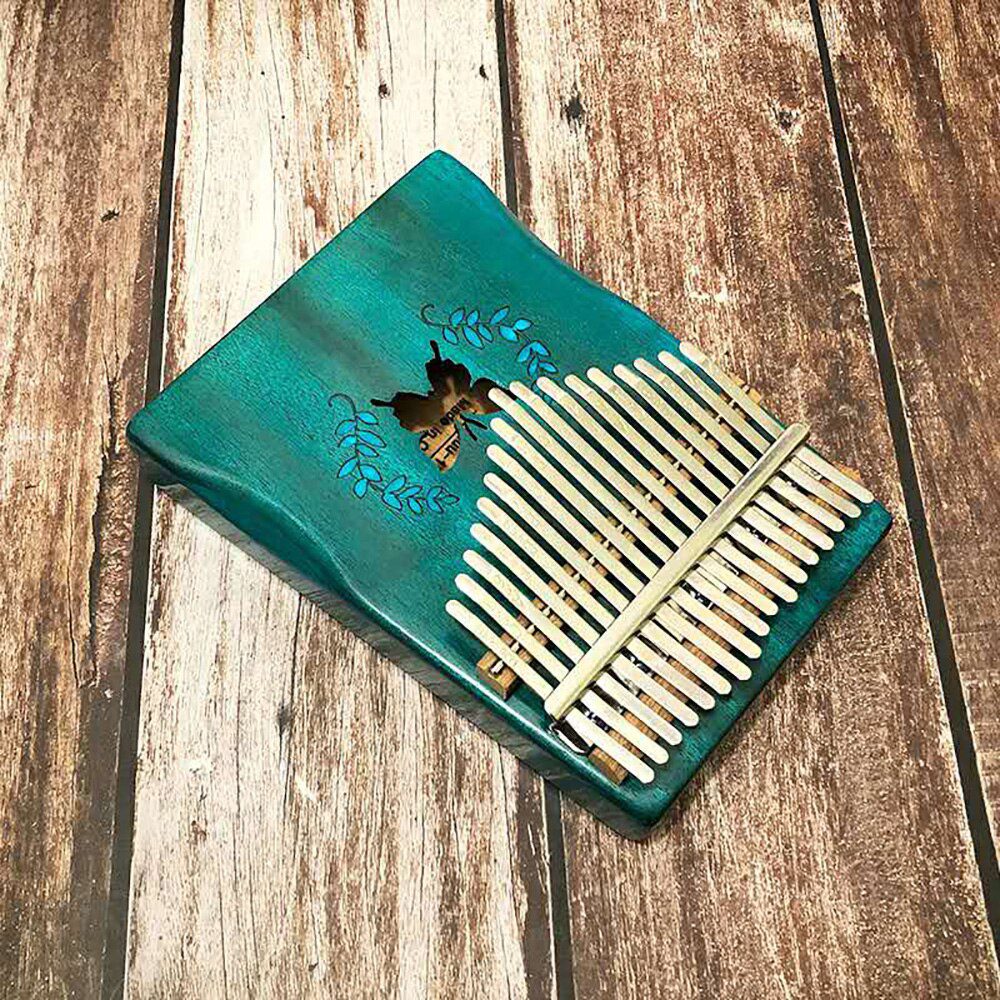
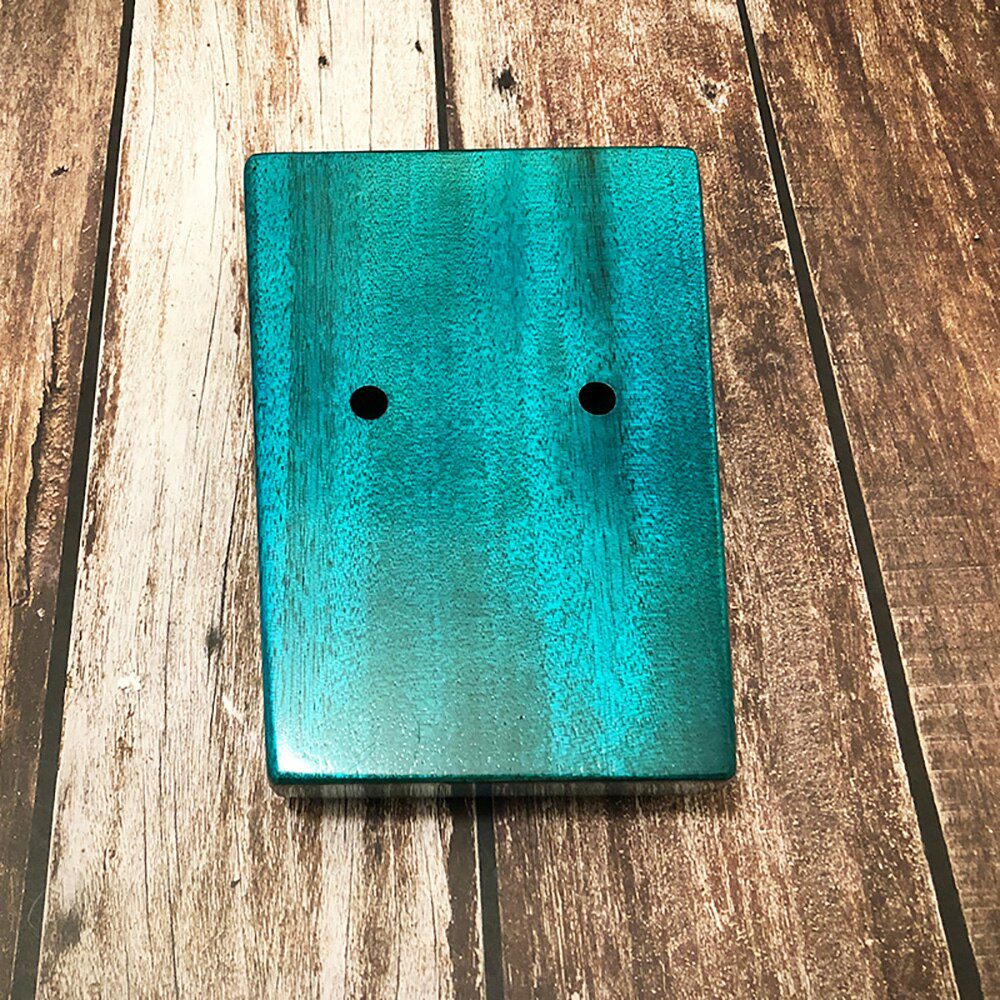
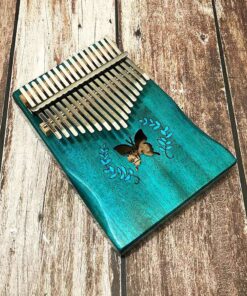
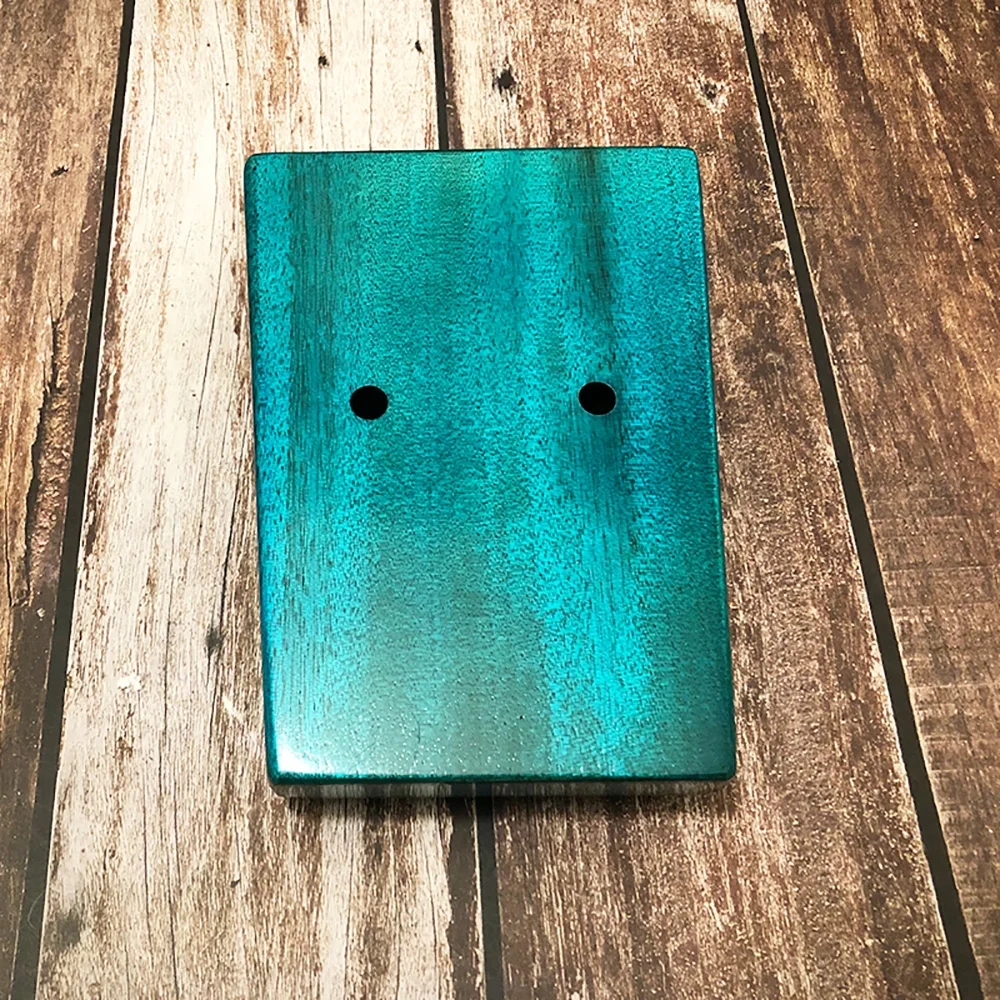
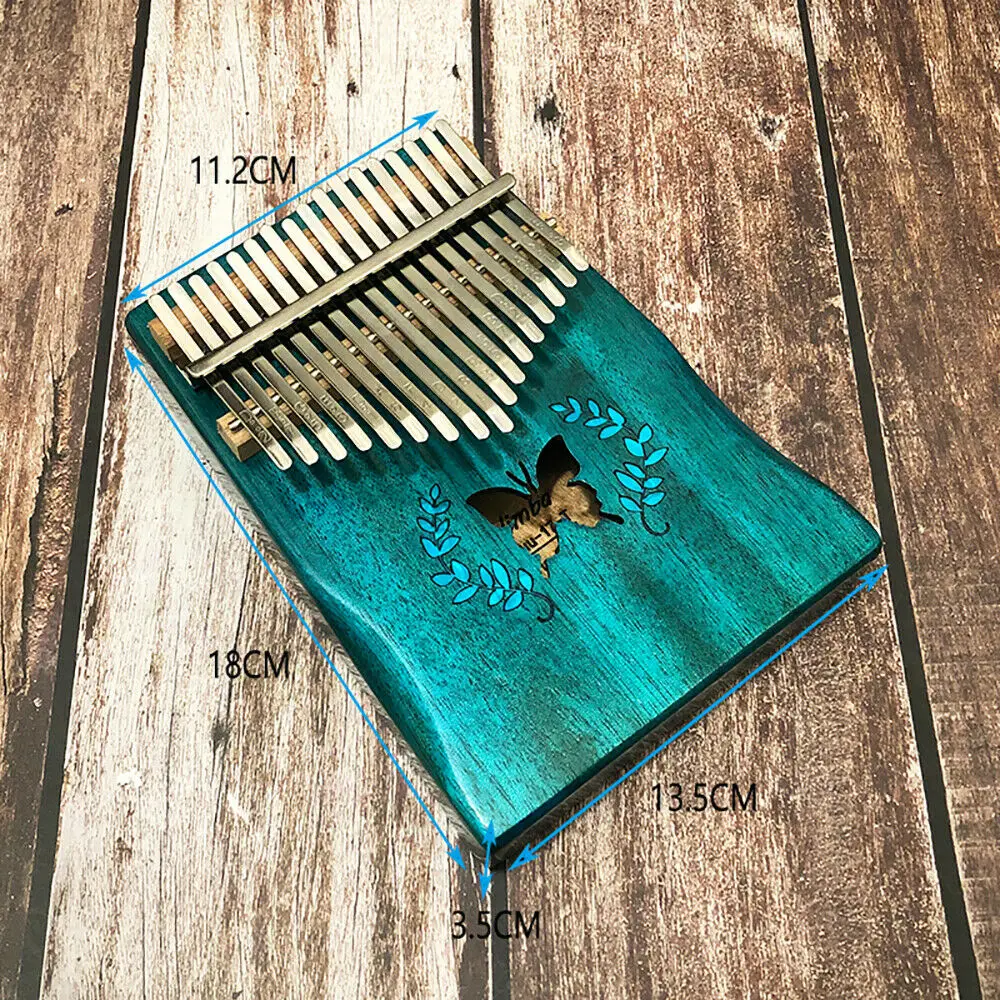
This blue-stained mahogany Kalimba, carefully inlaid by hand, is a magnificent instrument to give as a gift. The unique sound of this instrument will delight and relax you deeply.
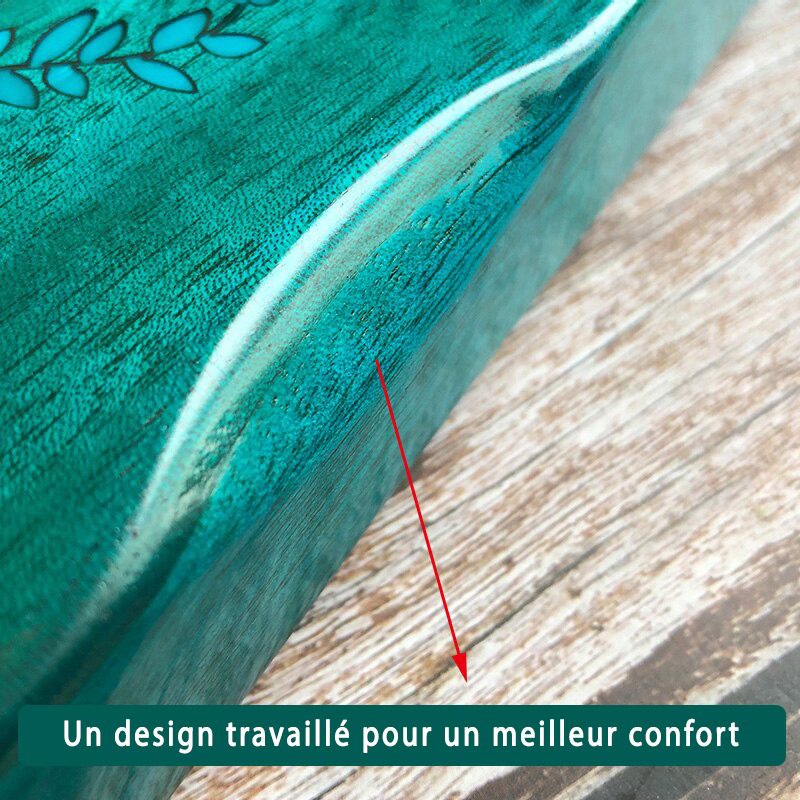
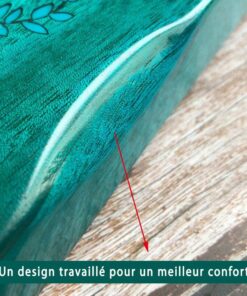
With its new styling, comfort and ergonomics, this inlaid mahogany kalimba is truly comfortable, so you can play for a long time.
The kalimba, also known as the thumb piano, is a new type of instrument from Africa.
The carbon steel keys are mounted on a solid wood box that serves as a resonance chamber.
You can play songs easily by fiddling with the keys. Particularly recommended for travel, parties, meditation, relaxation, etc...
The solid wood body and steel tines offer comfort and long-lasting durability.
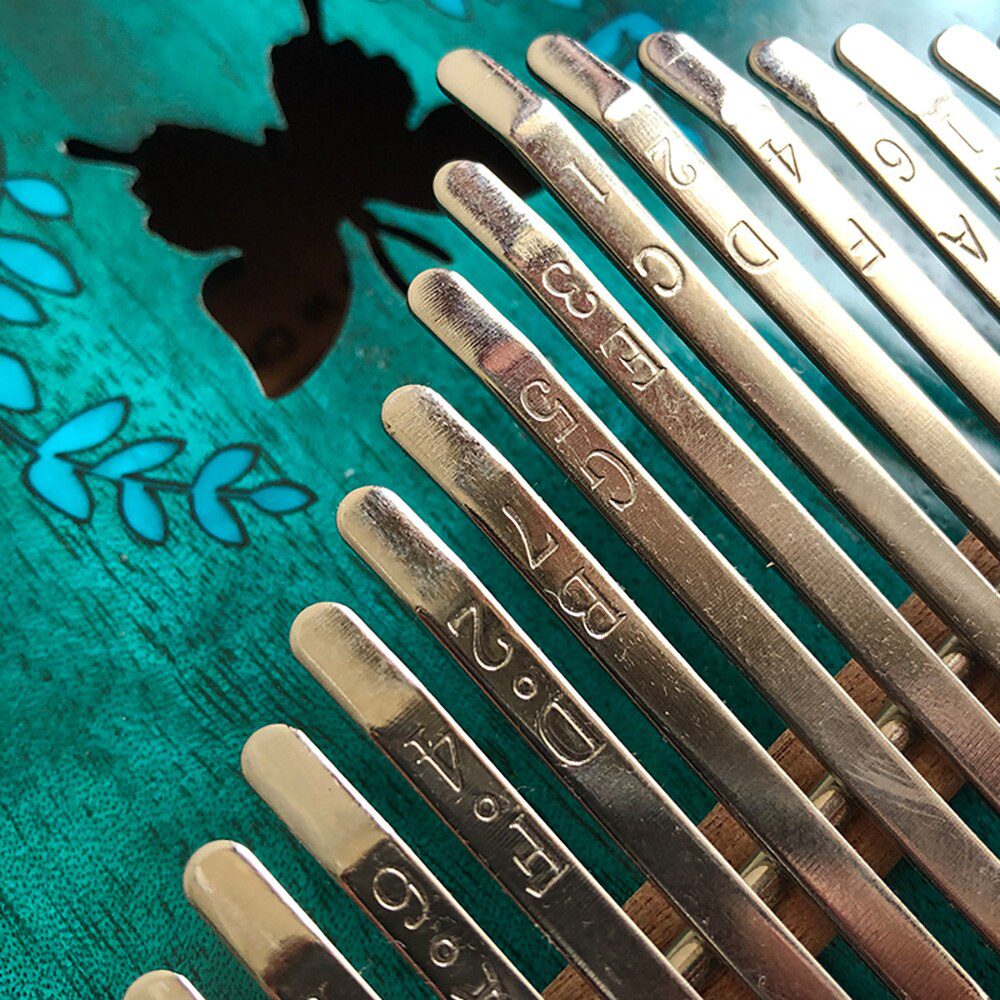
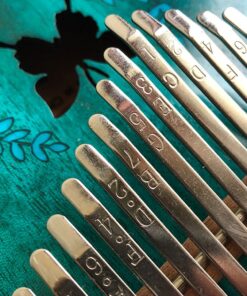
It's easy to learn: 1(D), 2(B), 3(G), 4(E), 5(C5), 6(A), 7(F), 8(D), 9(C4), 10(E), 11(G), 12(B), 13(D), 14(F), 15(A), 16(C6), 17(E)
It features steel keys with good flexibility, no stiffness and graceful tones.
With the 17-key mahogany kalimba, you can play most songs.
History
In the 1960s, the world saw a veritable explosion of kalimbas, all from AMI. Soon, a larger, deeper kalimba model called the Alto Kalimba was designed, along with a board-mounted treble called the Celeste Treble. This kalimba trio toured the world.
At first, the Treble Kalimba, mounted on a box, was much more popular than the other two models.
In recent years, the hand-inlaid mahogany kalimba has been much more popular than the Treble, perhaps because of its larger size, greater distance between its teeth, and easier-to-understand tuning with a high and low note of G, which is also the fundamental note.
Choosing the right wood
When you're looking to buy a new kalimba, the sheer number of options can sometimes be daunting. The most confusing part is knowing which type of wood is best to get the sound you want.
When looking for the best wood for kalimba shells, you need to know the qualities of each type of wood. Today, the standard for percussion makers is birch and maple.
Both of these woods sound great, and if all else fails, you can't go wrong buying a kit made with one of these woods.
But what about kits made from other types of wood that aren't as common? Are these kits worth buying, or are kalimba manufacturers using these rare woods as a clever marketing ploy to entice you to buy them at a higher price?
Each type of wood has its own tonality and equalization, but due to their rarity and difficulty of manufacture, they are sometimes sold at a premium.
Mahogany instruments are the third most common option for percussion makers today.
Try the hand-inlaid mahogany kalimba 17 notes
German-made Hokema Sansulas and Kalimbas have long been appreciated for their superb sound and quality... but Hokema instruments were small, with 9 or 11 teeth. They played beautiful, dreamy music, but were limited to playing simple music.
Now there's the hand-inlaid mahogany kalimba; 17 high-quality teeth mounted on a sturdy wooden body.
It's not the "loudest" kalimba, but all the notes have a steady sound, and the notes hold for a long time. And while many 17-note mahogany kalimbas have muffled sounds on the top few tines, this mahogany kalimba has a clearer sound on the top notes than any kalimba.
The 17 notes start on middle C and cover just over 2 octaves in the standard key of C major.
C’est le même accordage que les kalimbas 17 notes standard accordés en Do… ce qui signifie que toutes les ressources pédagogiques disponibles pour les autres kalimbas à 17 notes sont également disponibles pour ce kalimba en acajou.
What makes a good mahogany Kalimba tuner?
Each new kalimba chord is a different universe of possibilities. Some of these alternative musical universes are very similar to each other. But some chords present music that is totally different from what other chords can play.
Sometimes you can imagine a chord, then fiddle with your kalimba until it plays what you've imagined. But most great chords are discovered rather than invented. You may have found that chord by accident, and then discovered what that chord can do!
A brilliant new chord should capture your imagination almost immediately. Music will flow from the mahogany kalimba with simple, intuitive thumb movements. But what in particular should you look for when picking up a kalimba in a new tuning?
Natural division of teeth into different kalimba musical spaces
This mahogany kalimba can have an upper and a lower row of teeth. The great kalimba maker Thomas Bothe creates similar kalimbas with an upper and lower row of teeth.
In Bothe's classic chords, he placed a rich chord on the teeth of the lower row, and a corresponding rich chord on the teeth of the upper row.
Particularly when you take a two-tiered kalimba, try playing on the lower-row teeth for a while... and then play on the upper-row teeth for a while.
Search for a drone note
Many (but not all) kalimbas have the root note as their lowest note. You can often use this low note as a drone. What does this mean? Try playing the low note, followed by several other notes... then back to the low note, and repeat. Try playing the low note at the same time as you play another note.
Try to play the low note with all the other notes, and remember which ones sound good. Sometimes you'll want to move away from the drone and let another harmony blossom... but of course, you'll want to come back to the drone.
If you want to learn how to play John Legend's "All Of Me" on the mahogany kalimba, follow this link link !
Only logged in customers who have purchased this product may leave a review.
Related products


Kalimba instrument


Kalimba instrument


Kalimba instrument


Kalimba instrument


Kalimba instrument

Kalimba 17 Notes
[Complete Kit] Kalimba Gecko with Hard Case - 17 Mahogany Notes


Kalimba instrument

Kalimba instrument
Reviews
There are no reviews yet.